Where can I Find my adjusted gross income for 2019?
 David Jones
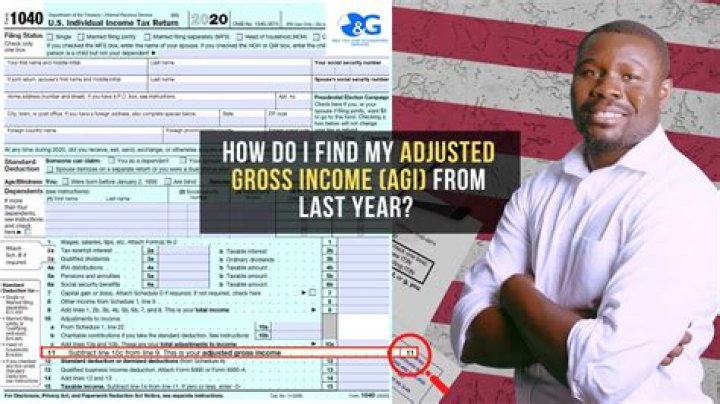
 Here are three ways to locate your 2019 Adjusted Gross Income, AGI: 1) If you e-Filed your 2019 Tax Return on eFile.com, sign into your eFile.com account and View and/or download your PDF tax return file from the My Account page. Find your prior-year AGI on Line 8b of your 2019 Form 1040.
Do you have to enter AGI for 2019 tax return?
If you did not efile or file a tax return last year, answer No. We will automatically enter 0 as the number to verify your identity with the IRS (0 is your AGI for 2019 if you did not or have not yet filed your 2019 return, or you did not have any income that year).
When do I have to file my income tax return?
To levitate the real benefits of paying your income tax, there are some points which should be understood even after paying your income tax and filing your income tax returns: Note: Income Tax returns for the Financial year 2018-19 (the Assessment year 2019-20) is to be filed by August 31st, 2019.
Which is the new income tax slab for 2020-2021?
The New Income Tax Slab for FY 2020-2021 has revised the income tax slabs for different income groups. The income group up to Rs. 2.5 lakh is exempted from tax.
Where do I Find my AGI on my 2018 tax return?
Here are three ways to locate your 2018 AGI: 1) If you e-filed your 2018 Tax Return on eFile.com, sign into your eFile.com account and download/view your PDF tax return file from the My Account page. Find your prior-year AGI on line 7 of your Form 1040.
How to calculate your adjusted gross income ( AGI )?
Here’s how you work out your AGI: 1 Start with your gross income. Income is on lines 7-22 of Form 1040. 2 Add these together to arrive at your total income. 3 Subtract your adjustments from your total income (also called “above-the-line deductions”) 4 You have your AGI.
How does adjusted gross income affect your tax return?
What is your adjusted gross income? Adjusted gross income (AGI) is the number you get after you subtract your adjustments to income from your gross income. The IRS limits some of your personal deductions based on a percentage of your AGI. That’s why it’s so important. Your AGI levels can also reduce your personal deductions and exemptions.
How is the adjusted gross income ( AGI ) calculated?
Determining AGI The IRS defines AGI as “gross income minus adjustments to income.” Depending on the adjustments you’re allowed, your AGI will be equal to or less than the total amount of income or earnings you made for the tax year. Remember to consider all sources of income that contribute to your AGI, including:
Where can I Find my AGI for 2017?
Where to find your 2017 AGI on your tax return. The best place to get this number is from your originally-filed 2017 federal tax return. You can’t get it from a W-2, 1099, or other income statement. Choose the 1040 form you filed last year.
Why is it important to know your adjusted gross income?
AGI doesn’t include exemptions or standard or itemized tax deductions, so set those aside to figure into your taxable income later. Your AGI impacts many of the tax deductions and credits you can take at tax time. That’s especially important because deductions and credits can increase your tax refund or reduce the amount of taxes you owe.
Is it possible to have a negative adjusted gross income?
When Adjusted Gross Income Is Negative. A negative AGI is uncommon for individuals, but not impossible. For example, suppose your total income is $10,000 and you have a total of $12,500 in deductions for items such as alimony, rental property losses, moving expenses and tuition and fees.
Do you have to enter AGI for 2018 tax return?
If you did not efile or file a tax return last year, answer No. We will automatically enter 0 as the number to verify your identity with the IRS (0 is your AGI for 2018 since you did not have any income that year or you did not file a return).
The amount of federal income tax you pay is based on your adjusted gross income. You calculate your AGI by adding up your income from all sources, and then subtracting the total amount of all allowed deductions.
Do you need prior year adjusted gross income?
Taxpayers using a tax filing software product for the first time may need their adjusted gross income amount from their prior year’s tax return to verify their identity. Taxpayers can learn more about how to verify their identity and electronically sign tax returns at Validating Your Electronically Filed Tax Return .
How much income do you have to make to not pay taxes?
Sole proprietors must file IRS Form 1040, Schedule C and Schedule SE if your net income is greater than $400. If you have an employee, you will need to withhold federal and state income taxes and Social Security and Medicare taxes for each employee.
What is adjusted gross income and how is it calculated?
What is your adjusted gross income? Adjusted gross income (AGI) is the number you get after you subtract your adjustments to income from your gross income. The IRS limits some of your personal deductions based on a percentage of your AGI.
Can You claim adjusted gross income before the standard deduction?
Some tax deductions can be claimed before the standard deduction or itemizing. They’re adjustments to income and determine your adjusted gross income.
How do you calculate AGI on a 1040?
Here’s how you work out your AGI: Start with your gross income. Income is on lines 7-22 of Form 1040 Add these together to arrive at your total income